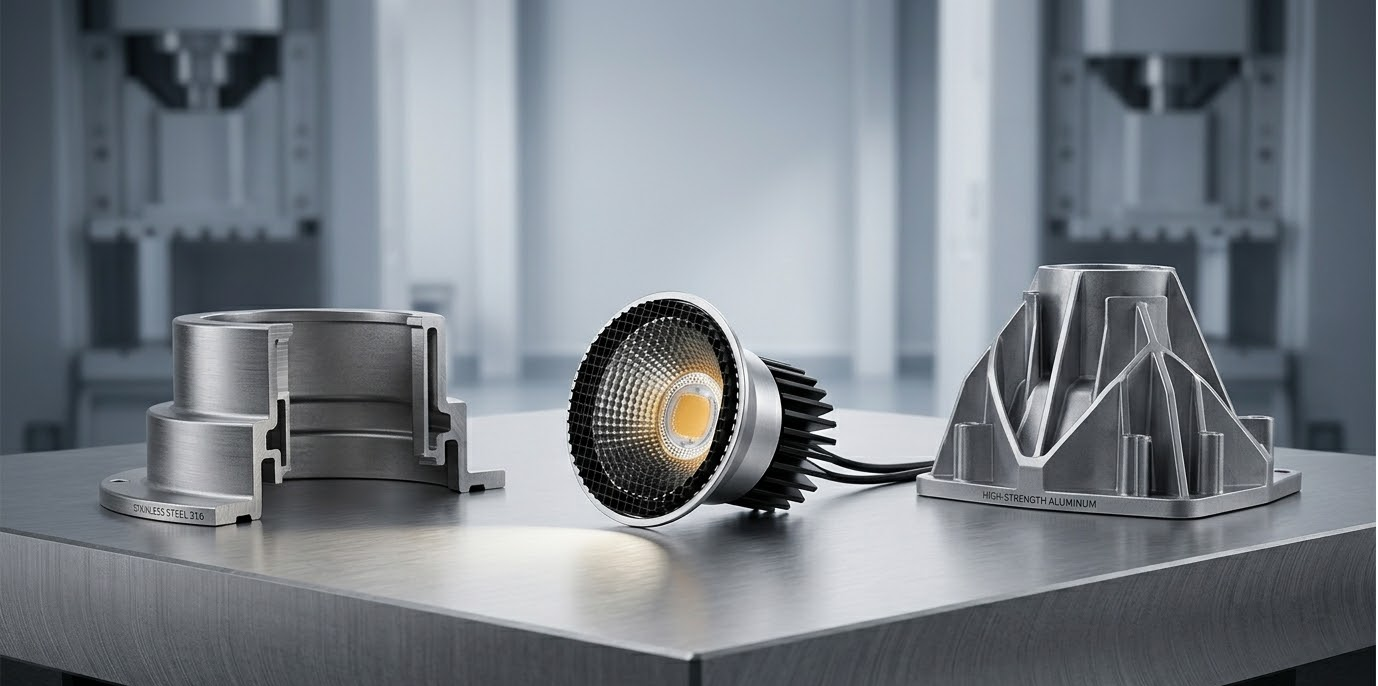
Are you looking to brighten up your space effortlessly? Have you ever considered the game-changer that is under-cabinet LED lighting? Say hello to the ultra-thin round cabinet light, a sleek and practical solution to illuminate your kitchen or workspace. These discreet lights enhance visibility and add a touch of modern elegance to any room with ambient lighting. Get ready to transform your ambiance with these versatile under-cabinet lights, LED tape lights, undercabinet fixtures, and efficient fluorescents. Elevate your kitchen wall cabinets with the subtle yet impactful glow of under-cabinet LED tape lights and efficient fluorescents.

Key Takeaways
- Consider installing under-cabinet LED lighting for a modern and functional kitchen upgrade.
- Opt for ultra-thin round cabinet lights for a sleek and discreet lighting solution.
- Choose LED lights over other types for energy efficiency, longevity, and better light quality.
- Pay attention to the Correlated Color Temperature (CCT) when selecting lighting to create the desired ambiance.
- Utilize DC12V input for safety, efficiency, and task lighting for under-cabinet lighting.
- Follow the installation tips provided to ensure a seamless and professional-looking setup.
Understanding Under-Cabinet Lighting

Purpose
Under-cabinet lighting in kitchens, including undercabinet and LED tape lights, enhances visibility while preparing meals, cooking, and reading recipes. It eliminates shadows cast by overhead lighting, creating a well-lit workspace.
Types
- Puck Lights: Small, circular lights that offer focused illumination.
- Linear LED Strips: Sleek and versatile strips provide even lighting.
- Round Cabinet Lights: Ultra-thin options with a modern aesthetic.
Factors to Consider
- Color Temperature: Choose warm, cool, or neutral tones to suit the kitchen’s ambiance.
- Voltage: Opt for low-voltage options for energy efficiency and safety.
- Installation: Consider ease of installation and wiring requirements for different lighting systems.
- Dimming Capabilities: Select lights with dimming features for adjustable brightness levels.
- Fixture Style: Match the lighting fixture style with the kitchen’s design for a cohesive look.
Exploring Ultra-Thin Design
Advantages
- Space-saving: The very slim profile of the cabinet lights makes efficient use of space and is suitable for kitchens or any place where space is a requirement.
- Sleek Aesthetics: These ultra-thin lights have a very neat line, making the appearance of the light sleek and thereby improving the look of the cabinets.
Aesthetics Comparison
Standard types of cabinet lights can be rather cumbersome and invasive in the room. Even though they are usually fixed to the cabinet, they stick out and look raw compared to ultra-thin lamps that are practically hidden and do not even warrant a second look, thus introducing more elegance to the cabinet.
Enhancing Cabinet Look
LED vs Other Light Types
Energy Efficiency
LEDs are deemed a superior option for lighting since they consume less energy than incandescent and fluorescent bulbs. They utilize a considerably lower amount of electricity, which makes them suitable for cutting electricity costs, especially undercabinet lighting, tape lights, and puck lights. LED lights use less power because they can convert more power into light and less into heat compared to other bulbs.
LEDs are a superior form of lighting compared to other conventional products, including incandescent bulbs, since they provide superior luminosity while using less power. This makes them a preferred choice for home lighting projects intending to enable sufficient illumination without drawing too much power. LEDs contain a source of light that is directed and, unlike traditional bulbs, does not emit light in every direction, making them more economical.
Longevity and Cost-Effectiveness
LEDs are highly durable and consume less electricity; thus, they are more efficient and cost-effective than other lighting systems. LED lights last longer than other forms of lighting, such as incandescent bulbs. They typically exhibit longer service intervals, which could be up to 25 times longer than conventional lights, resulting in fewer replacements and lower costs in the long run.
Additionally, although LEDs may cost more than standard light bars/bulbs initially, their ability to save money in the long run is significant. The reduced energy and component consumption, coupled with their longer lifespan, proves that LEDs are an economically sound solution for upgrading residential lighting systems.
Importance of CCT Selection

Define CCT
Correlated Color Temperature (CCT) is a metric that indicates the color appearance of light emitted by a source, measured in Kelvin. Choosing the right CCT is crucial for achieving the desired ambiance in your kitchen.
Significance of CCT in Cabinet Lighting
Different CCTs, cabinet lighting, RGB, and length can significantly impact the look and feel of your kitchen. A warm white (2700-3000K) creates a cozy atmosphere, ideal for relaxation, while a cool white (4000-5000K) enhances focus and productivity in work areas.
Selecting the Ideal CCT
Consider the functionality and mood you want to establish in your kitchen. For task lighting, a neutral white (3500-4000K) is recommended as it balances brightness and warmth. For ambient lighting, a warm white provides a welcoming feel, perfect for gatherings and family meals.
- Pros of selecting the right CCT:
- Enhances the overall aesthetics of your kitchen.
- Improves visibility and task performance.
- Cons of choosing the wrong CCT:
- May result in discomfort or eye strain.
- Could affect the color accuracy of items in your kitchen.
Benefits of DC12V Input
Safety Benefits
DC12V input for under-cabinet LED lighting offers significant safety benefits. The low voltage reduces the risk of electrical shock, making it safer for households with children and pets. This feature enhances peace of mind for homeowners.
Energy Efficiency
One key advantage of DC12V input is its energy efficiency. Operating at a lower voltage results in reduced power consumption, leading to cost savings on electricity bills. This eco-friendly option aligns with sustainable living practices.
Compatibility with Various Setups
DC12V input is versatile and compatible with various lighting setups, including ultra-thin round cabinet lights. This compatibility makes it easy to integrate into existing systems without the need for extensive modifications. It provides flexibility for users to customize their RGB lighting configurations with varying lengths.
Installation Tips

Positioning
When installing under-cabinet LED lighting, ensure the fixtures are placed strategically to provide optimal illumination. Position the lights towards the front of the cabinet for better light distribution.
Tools and Techniques
Use a tape measure to mark the placement of each light accurately. Utilize a drill to create holes for wiring and secure the lights in place. Employ adhesive clips for a seamless installation without damaging your cabinets.
Wiring Process
Begin by turning off the power to avoid any electrical mishaps. Plug the lights into a nearby outlet or consider hardwiring for a cleaner look. Conceal wires behind the cabinets or utilize wire channels for a neater finish.
Battery-Powered Options
For areas without easy access to outlets, consider battery-powered LED lights for convenience. These lights offer the ability to be placed anywhere without worrying about wiring or power sources.
Setting Up Dimming Features
Take advantage of advanced features such as dimming capabilities. Some LED lights come with dimmer switches or can be controlled through an app for personalized lighting experiences.
Choosing the Right Brightness
Task Lighting
When selecting LED lighting for under-cabinet use, it’s recommended to focus on task lighting. This type of lighting is crucial for performing specific tasks, such as preparing meals or reading cookbooks. Luminosity is key here, as it determines light availability and, consequently, the efficiency of task performance.
Task lighting should be intense enough to properly illuminate the work area. Choose a brightness level that’s neither too high, to avoid eye strain, nor too low, to ensure productivity. Having dimming features is advisable to control light intensity according to the task at hand.
Ambient Lighting
The ambiance of the kitchen can greatly depend on the lighting used. To create a comfortable and welcoming atmosphere, choose appropriately colored LEDs, like warm white lights.
Select ultra-thin, round cabinet lights with suitable wattage to evoke the desired atmosphere without overpowering it. Ensure the power source and dimmer switch are compatible with your chosen light fixtures.
FAQs on Cabinet Lighting
Installation Tips
When setting up under-cabinet LED lighting, ensure you measure accurately to place the fixtures uniformly. Use a cabinet lighting kit for a straightforward installation process. Position the lights towards the front of the cabinet for optimal illumination.
Troubleshooting Common Issues
If your cabinet lights flicker, check the connections and power source. Ensure the cabinet LED bulbs are compatible with the fixtures. Dimming issues may arise from incompatible dimmer switches.
Maintenance and Longevity
To extend the lifespan of your ultra-thin round cabinet light, clean them regularly using a soft cloth. Avoid using harsh chemicals that can damage the light’s surface. Check for loose connections periodically to prevent electrical problems.
Summary
After diving into the realm of under-cabinet LED lighting, you’ve gained insights into the benefits of ultra-thin designs, the superiority of LEDs over other light types, the significance of CCT selection, the advantages of DC12V input, installation tips, brightness choices, and answers to common FAQs. Armed with this knowledge, you’re now equipped to transform your space with efficient, customizable, and aesthetically pleasing lighting solutions that cater specifically to your needs and preferences. So, go ahead, light and illuminate your cabinets with confidence and style!
Frequently Asked Questions
From your description of under-cabinet LED lighting, what advantages does it have?
LED lighting under cabinets is an energy-efficient, long-lasting, and brighter method of achieving task lighting. It also creates a more polished and contemporary flair to your space in addition to decreasing your electricity expenses by light.
What is the main difference between ultra-thin under-cabinet lights and other conventional types of cabinet lights?
Ultra-thin under-cabinet lights are thinner, take up less space, and distribute light evenly. They are more stylish compared to the large conventional ones. They provide simplicity of design while not detracting from the luminosity of the fixture quite as much as conventional lighting does.
Should one select LED lighting instead of other types of adorning for the cabinets?
Yes, most of the time, LED lighting is preferable because of its efficiency in energy use, long lifespan, and ability to produce less heat. LEDs are less hazardous to the environment and offer more variable color temperatures for adjustable electric lighting.
When referencing cabinet lighting, why is the choice of a CCT index crucial?
This means that selecting the proper CCT produces the intended atmosphere and utility of the area. Higher CCTs make it cooler and more ideal for business, while lower CCTs make it warmer and more conducive to creating a homely feel. Thus, the choice of the right CCT is the key to gaining the intended lighting impacts.
What are the benefits of applying the DC12V input for cabinet lighting?
DC12V input is safer, consumes less power, and is relatively free of electrical shocks compared to high-voltage input. It is easy to install with the least wiring demands and still provides consistent illumination.
What are the important steps that I should take to guarantee the right installation of the under-cabinet LED lighting?
Several key guidelines must be adhered to in an installation: The instructions of the manufacturer and the type of mounting hardware should be appropriate, and the lights should be installed evenly for proper illumination. Correct wiring and sufficient distance between the fixtures are some of the most critical achievable factors.