As a business owner, interior designer, or lighting professional, choosing the right lighting solution is critical to achieving both aesthetic and functional goals. At Anova, we understand the importance of selecting fixtures that balance performance, sustainability, and cost-efficiency. In this blog, we dive deep into the differences between MR16 modules and traditional downlights, helping you make informed decisions for your commercial projects. From light output to sustainability, we’ll explore why our MR16 modules stand out as a superior choice for B2B clients, including contractors, wholesalers, and designers.
Overview of MR16 Modules and Traditional Downlights
Understanding the fundamental differences between MR16 modules and traditional downlights is the first step in selecting the right lighting solution. These two options cater to different needs and offer unique advantages depending on the application.
What is an MR16 Module?
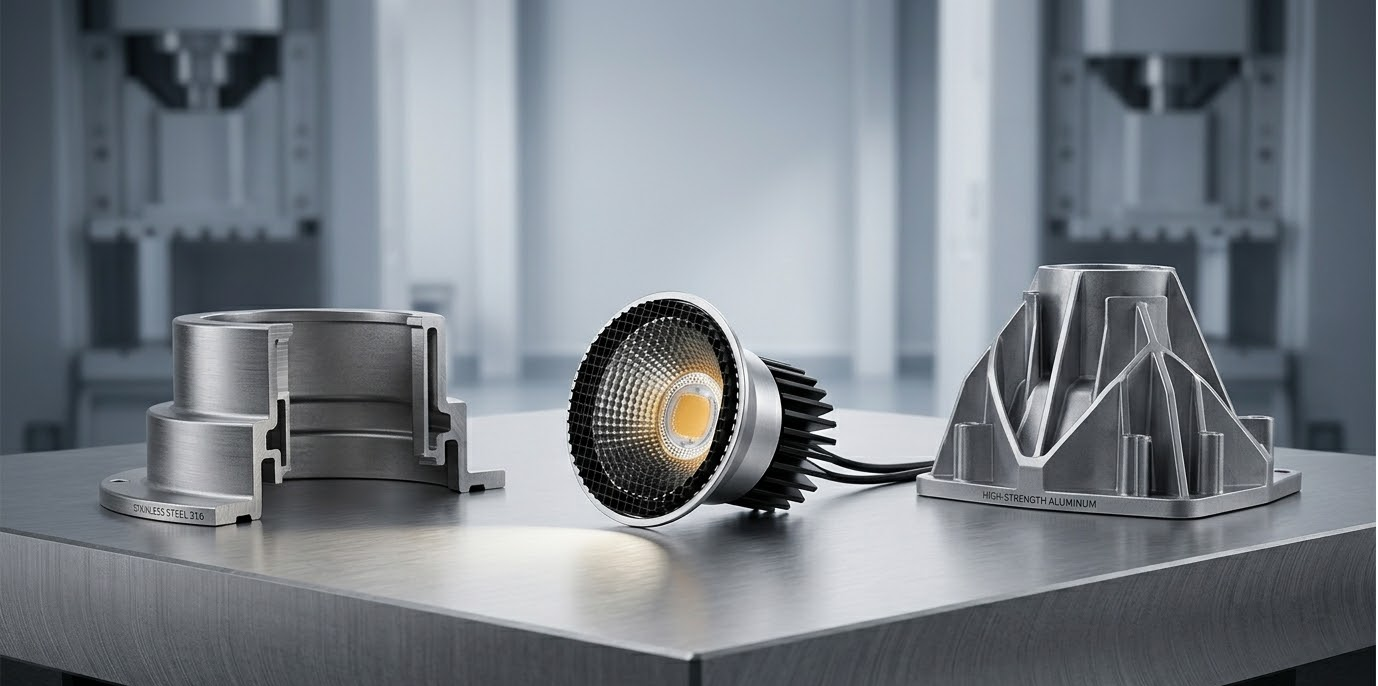
An MR16 module is a compact, modular LED lighting component designed to fit into standard MR16 fixtures. Unlike traditional integrated downlights, MR16 modules are highly adaptable, allowing for easy upgrades and replacements without changing the entire fixture. Our 10W Tunable White 24V DC COB LED Module exemplifies this flexibility, offering adjustable color temperatures and high performance for various commercial applications.
Characteristics of Traditional Integrated Downlights
Traditional downlights are fully integrated lighting fixtures, typically combining the light source, driver, and housing into a single unit. While effective for many applications, they lack the modularity of MR16 systems, making upgrades or replacements more complex. These fixtures are often chosen for their straightforward installation but may fall short in terms of adaptability and long-term efficiency.
Transitioning from the basic definitions, let’s compare how these two lighting solutions perform across key metrics critical to B2B clients.
Performance Comparison Between MR16 Modules and Traditional Downlights
Performance is a top priority for commercial lighting projects, where efficiency, quality, and durability directly impact client satisfaction and operational costs. Below, we break down the key performance differences.
Light Output and Beam Control
MR16 modules excel in delivering precise light output and beam control. With options like our 24V DC 10W Tunable White LED Engine MR16 Module, you can achieve focused beams or wider spreads, ideal for accentuating retail displays or illuminating office spaces. Traditional downlights, while capable of uniform lighting, often lack the flexibility to adjust beam angles without replacing the entire fixture.
| Metric | MR16 Module | Traditional Downlight |
| Beam Angle Options | Adjustable (e.g., 15°, 24°, 36°) | Fixed (typically 40°–60°) |
| Light Output (Lumens) | Up to 800–1000 lm (model-dependent) | 500–1200 lm (varies by wattage) |
| CRI | High CRI (90+), excellent color accuracy | Varies, often 80–85 CRI |
Thermal Management Capabilities
Effective heat dissipation is crucial for LED longevity. Our MR16 modules are engineered with advanced thermal management, using high-quality heat sinks to prevent overheating and extend lifespan. Traditional downlights, particularly lower-cost models, may suffer from poor heat dissipation, leading to premature light decay and reduced performance.
Energy Efficiency Metrics
Energy efficiency is a key consideration for B2B clients aiming to reduce operational costs. MR16 modules, like our 10W tunable white models, offer luminous efficacy up to 120 lm/W, significantly outperforming traditional downlights, which typically achieve 70–90 lm/W. This efficiency translates to lower energy bills and a reduced carbon footprint.
Lifespan and Maintenance Requirements
Our MR16 modules are designed for durability, with lifespans exceeding 50,000 hours. Their modular design allows for easy replacement of individual components, reducing maintenance costs. Traditional downlights, with integrated components, often require full fixture replacement, increasing downtime and expenses.
With performance metrics in mind, sustainability is another critical factor for modern businesses. Let’s explore how MR16 modules align with eco-conscious goals.
Sustainability Factors in Lighting Solutions
At Anova, we’re committed to sustainability, using recycled ocean plastics in our products to minimize environmental impact. Here’s how MR16 modules and traditional downlights compare in terms of sustainability.
Environmental Impact of Material Usage
Our MR16 modules incorporate recycled ocean plastics, aligning with global sustainability goals. Learn more about our commitment to eco-friendly materials on our sustainability page. Traditional downlights often rely on virgin plastics and metals, contributing to higher environmental costs during production.
Energy Consumption Over Time
The high luminous efficacy of MR16 modules reduces energy consumption over their lifespan. For example, a 10W MR16 module can save up to 30% more energy compared to a 12W traditional downlight over 50,000 hours. This efficiency is critical for large-scale commercial projects.
Recyclability and End-of-Life Disposal
The modular design of MR16 systems facilitates easier disassembly and recycling, as individual components can be separated. Traditional downlights, with their integrated construction, are harder to recycle, often ending up in landfills.
Cost considerations are equally important for B2B clients. Let’s analyze the total cost of ownership for both options.

Img.mr16.webp
Total Cost of Ownership (TCO) Analysis
Understanding the TCO helps businesses make informed purchasing decisions. MR16 modules and traditional downlights differ significantly in this regard.
Initial Installation Costs
MR16 modules may have a slightly higher upfront cost due to their advanced technology and modularity. However, their compatibility with existing fixtures reduces installation expenses in retrofit projects. Traditional downlights are often cheaper initially but may require more extensive modifications during installation.
Maintenance and Replacement Expenses
The modular nature of MR16 systems minimizes maintenance costs, as only specific components need replacement. Traditional downlights, with their all-in-one design, often require full fixture replacement, increasing long-term expenses.
Long-Term Operational Savings
Thanks to their energy efficiency and long lifespan, MR16 modules offer significant operational savings. For a 100-fixture installation, switching to our MR16 modules could save thousands of dollars in energy and maintenance costs over a decade.
Flexibility is another area where MR16 modules shine, particularly for dynamic commercial environments.
Flexibility and Modularity Benefits of MR16 Systems
The modular design of MR16 systems offers unparalleled flexibility, making them ideal for businesses that value adaptability.
Adaptability in Design Applications
Our MR16 modules, such as the 12W 3CCT Anti-Glare LED Downlight, support tunable white options, allowing designers to adjust color temperatures to suit different atmospheres—warm for cozy restaurants or cool for focused office environments. Traditional downlights lack this level of customization.
Ease of Upgrades and Component Replacement
Upgrading an MR16 module is as simple as swapping out the module, preserving the existing fixture. This ease of upgrade ensures that businesses can adopt new lighting technologies without overhauling their entire system.
Traditional downlights, however, face several challenges that can hinder their performance in commercial settings.
Challenges Associated with Traditional Downlight Systems
While traditional downlights are widely used, they come with limitations that can affect project outcomes.
Limitations in Retrofitting Options
Retrofitting traditional downlights often requires replacing the entire fixture, which can be costly and disruptive. MR16 modules, by contrast, are designed for seamless integration into existing setups.
Issues with Heat Dissipation and Fixture Lifespan
Poor thermal management in traditional downlights leads to faster degradation, reducing their lifespan and increasing replacement frequency. This issue is particularly problematic in high-usage commercial spaces like retail stores or offices.
At Anova, we address these challenges with our innovative MR16 modules, designed specifically for B2B clients.
Anova as a Trusted Supplier of MR16 Modules
As a leading lighting manufacturer, we at Anova pride ourselves on delivering high-quality, sustainable solutions tailored to the needs of contractors, wholesalers, and designers. Our commitment to innovation and excellence sets us apart.
Commitment to Quality and Innovation
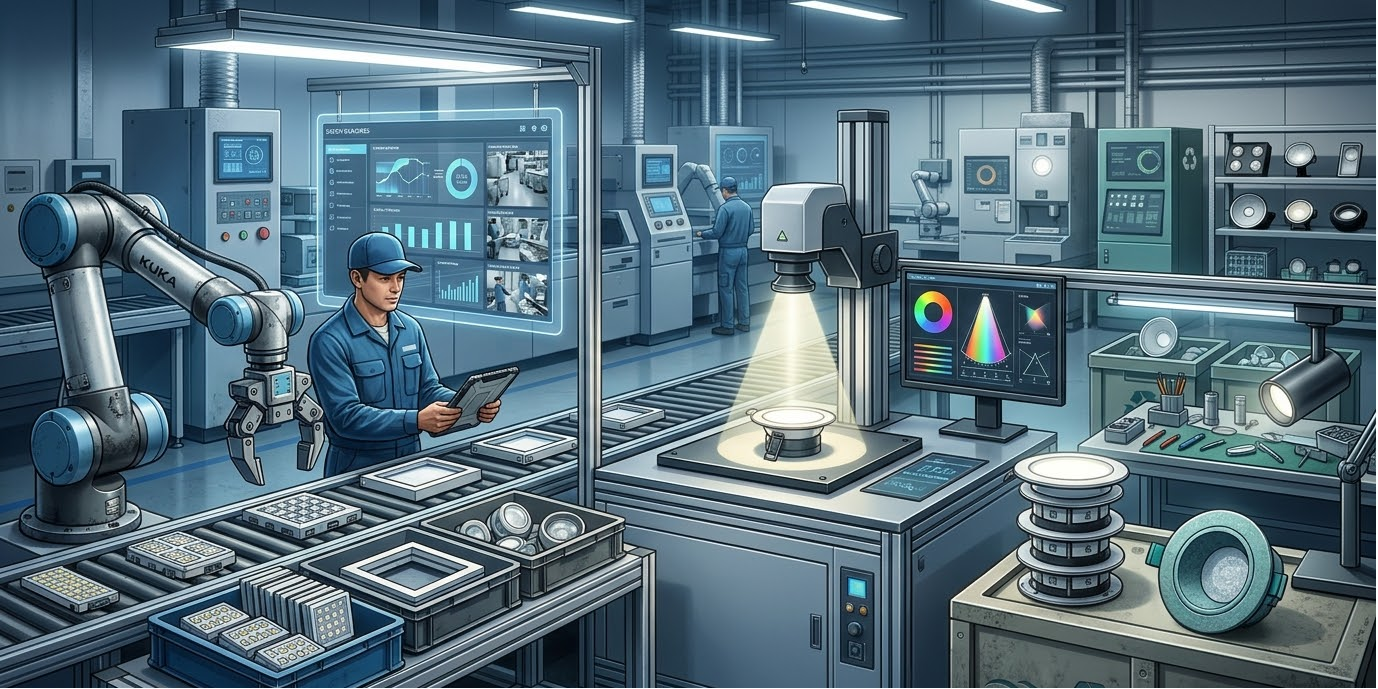
Our MR16 modules are rigorously tested in our state-of-the-art lighting lab to ensure consistent performance, high CRI, and low UGR. We use advanced COB LED technology to deliver superior light quality and efficiency.
Range of Products for Various Applications
From retail to hospitality, our MR16 modules cater to diverse commercial needs. Whether you’re illuminating a boutique or a corporate office, our products offer the versatility and performance you demand.
Choosing the right lighting solution requires balancing performance, cost, and sustainability. Let’s wrap up with key takeaways.
Conclusion: Choosing the Right Lighting Solution for Performance and Value
For B2B clients seeking high-performance, sustainable, and cost-effective lighting, our MR16 modules offer clear advantages over traditional downlights. With superior light output, energy efficiency, and modularity, they provide the flexibility and longevity needed for modern commercial projects. Contact us at Anova to explore how our solutions can elevate your next project.
Frequently Asked Questions (FAQs)
Q1 What is the main advantage of using an MR16 module over a traditional downlight?
A1 The primary advantage of MR16 modules is their modularity, allowing for easy upgrades and replacements without changing the entire fixture. This reduces maintenance costs and enhances adaptability, making them ideal for dynamic commercial environments requiring high-quality lighting.
Q2 Can MR16 modules be used in existing lighting fixtures?
A2 Yes, MR16 modules are designed for compatibility with standard MR16 fixtures, making them perfect for retrofitting existing setups. Our tunable white modules, for instance, can seamlessly integrate into various commercial and residential applications.
Q3 How does the modular design impact long-term maintenance?
A3 The modular design significantly reduces maintenance costs by allowing individual components, such as the LED module or driver, to be replaced without discarding the entire fixture. This extends the system’s lifespan and minimizes downtime, a critical factor for businesses.