Are you battling persistent eye strain or unease in your workplace? The key to a soothing, visually pleasant setting hinges on grasping Unified Glare Rating (UGR) and harnessing the strength of glare-reducing lights. By understanding UGR and utilizing anti-glare fixtures, you can dramatically improve your lighting environment and reduce eyestrain. In this article, we will delve into how UGR shapes lighting arrangements. We also examine the cutting-edge advancements powering glare-minimizing solutions. Plus, we highlight why companies like Anova spearhead the creation of power-saving, glare-free illumination for residences, offices, and more. Bid farewell to harsh glare. Instead, welcome a brilliantly optimized lighting experience!
What is UGR
Comprehending Unified Glare Rating (UGR) is vital when exploring lighting layouts and their effects on visual ease. This measure evaluates the degree of irritation sparked by glare from lighting setups. If you’re versed in this area, you likely value the subtleties of how UGR figures are calculated. You also understand their relevance across diverse settings.
UGR’s Importance in Lighting Design
The weight of UGR in lighting planning is immense. It profoundly influences how cozy a space feels to those inside. Elevated UGR levels often trigger annoyance and diminished efficiency. This is especially true in work areas where focus is essential. So, by targeting reduced UGR numbers, planners can craft environments that blend practicality with comfort. Consequently, this elevates the entire occupant experience.
Factors Influencing UGR Values
Numerous elements sway UGR figures. These include the brightness of the light origin, the slant at which light strikes the eye, and the surrounding glow. Additionally, the placement and style of lighting units contribute significantly. Grasping these aspects empowers planners to make savvy choices. As a result, they enhance visual serenity effectively.
How is UGR Calculated
The UGR formula gauges glare potency vividly. It’s penned as: UGR = 8 log₁₀ [ (0.25 / Lb) × Σ (Ls² × ω / p²) ]. Here, brilliance meets math elegantly. Lb stands for backdrop glow in cd/m². This reflects ambient radiance levels keenly. Ls marks each fixture’s average shine in cd/m², seen by the observer clearly. Meanwhile, ω denotes the solid angle in steradians, sizing the light’s spread neatly. Lastly, p is the Guth position index, gauging glare odds cleverly. Together, these terms sum up glare’s impact sharply. The log₁₀ scale adjusts for human perception smoothly. Thus, UGR ranges from 10 (low glare) to 30 (high unease).
Explanation of the Formula:
- UGR = 8 log₁₀ [ (0.25 / Lb) × Σ (Ls² × ω / p²) ]: This equation, rooted in CIE 117-1995, measures discomfort glare indoors. The constant 8 and logarithm ensure a practical 10–30 range.
- Lb: Background luminance (cd/m²), derived from indirect light (E_ind / π), sets the eye’s adaptation baseline.
- Ls: Luminance of each luminaire (cd/m²) in the observer’s view, squared to weigh brighter sources heavily.
- ω: Solid angle (sr) of the luminaire’s emitting surface, reflecting its perceived size.
- p: Guth position index, a factor adjusting for the luminaire’s position relative to the line of sight.
- Σ: Summation across all visible luminaires, capturing total glare contribution.
What are Anti-Glare Lights
Anti-glare lights are expertly crafted to lessen glare and boost visual tranquility in varied locales. These fixtures are indispensable where glare might provoke notable distress or hamper output. If you’re knowledgeable in this domain, you recognize how glare-diminishing technology fosters more agreeable surroundings.
How Anti-Glare Lights Work
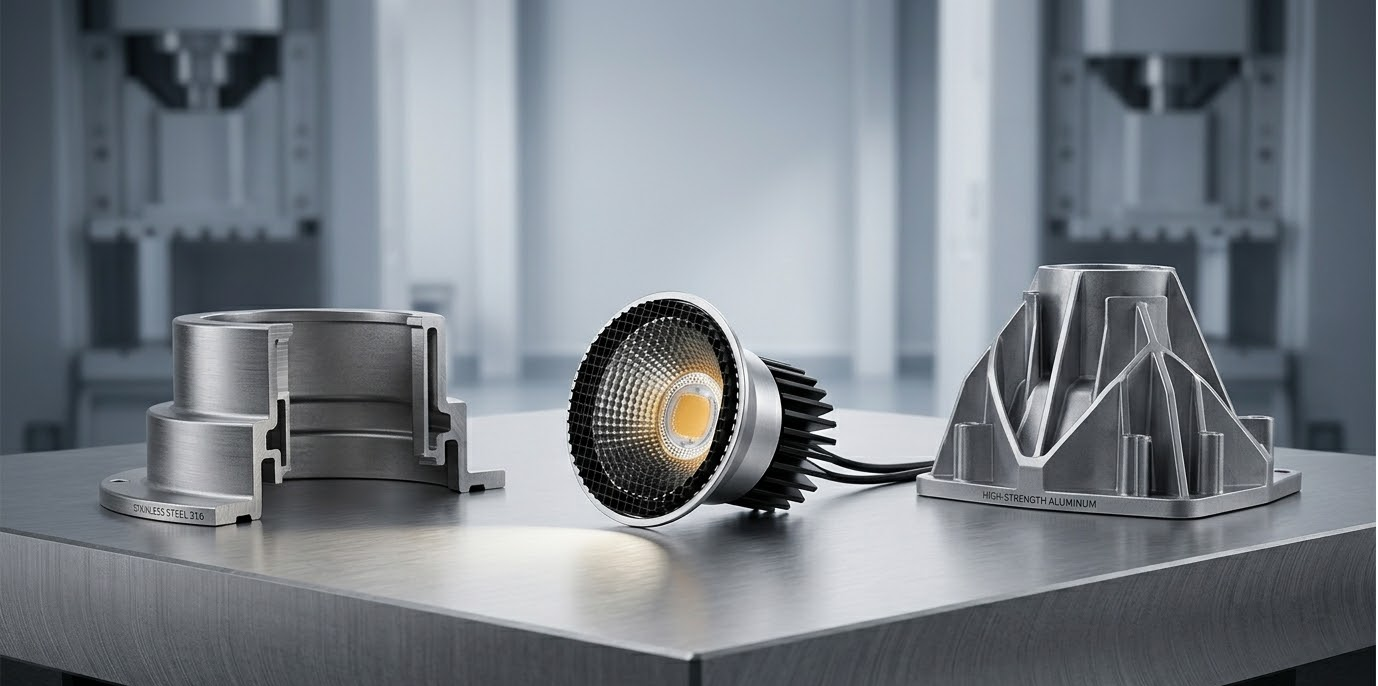
Anti-glare lights operate by embedding features that curb direct light reaching the eyes. Anti-glare lights use professionally designed lenses to reduce UGR. For instance, this casing offers an optional honeycomb shield. That shield markedly cuts glare, enhancing illumination quality. Moreover, these innovations spread light more uniformly across an area. This reduces sharp reflections and bolsters overall clarity.
The Significance of Anti-Glare Lights in Reducing UGR
Employing anti-glare lights is crucial for securing lower UGR ratings. They adeptly manage glare through sophisticated designs and materials, such as reflectors or lenses. Hence, these fixtures foster a restful visual atmosphere. Plus, these downlights suit numerous settings, making them adaptable answers for homes and businesses alike.
Innovations in Anti-Glare Lighting Technology
Recent progress has birthed inventive options. Take, for example, downlights with earth-friendly plastic front rims paired with aluminum heat dissipaters. These are 3CCT adjustable and boast UGR<10. Such breakthroughs not only heighten energy thriftiness. They also deliver tailored choices for diverse lighting demands.
Anova: A Reliable Supplier of Anti-Glare Lights
Anova crafts anti-glare LED lights with remarkable skill. These fixtures use clever designs to curb harsh brilliance effectively. For example, their 12W 3CCT anti glare LED downlights boast a UGR below 10. This low rating ensures minimal eye strain. Plus, they blend eco-friendly materials like recycled ocean plastic. As a result, you get sturdy, efficient glow perfect for any space.

Why Choose Anova for Anti-Glare Lights Solutions?
Having experience working in the field of lighting for years, Anova is proficient at designing and manufacturing high-performance anti-glare lights with functions, beauty, and energy saving. Anova’s Recessed Downlight FD17189H, for example, measures 135*70mm in product size, 120mm in cutout, 12W in rated power, 36V in rated voltage, CRI>90,3000k-4000k-5000k in CCT, 1200lm in luminous flux, and 100lm/W in luminous efficacy. This light is ideal for anti-glare lights. Anova’s creative designs and commitment to reducing eye strain and enhancing visual comfort make them an office, home, and public space favorite.
Reliability of Anova

Opting for Anova means choosing dependability rooted in exhaustive testing and creative design approaches. Their products deliver remarkable results. Simultaneously, they heighten user ease by tackling vital issues like glare reduction adeptly. Thus, Anova stands as a beacon of trustworthiness. By weaving in advanced systems and upholding strict quality benchmarks, Anova has cemented its status as a dependable leader. It offers potent glare-reducing solutions customized for wide-ranging uses across multiple industries.
Conclusion: The Role of Anti-Glare Lights in Optimizing Lighting Environments
Anti-glare lights play a pivotal part in refining lighting atmospheres. They secure visual peace and lessen glare-linked woes. By integrating sophisticated technologies and materials, these fixtures successfully drop UGR ratings. This creates spaces that boost efficiency and relaxation. Whether in homes, workplaces, or hospitality venues, glare-reducing lights elevate the overall caliber of lighting setups.
FAQs About UGR and Anti-Glare Lights
Q:What is the recommended UGR value for office lighting?
A: The advised UGR rating for office illumination typically falls below 19. This level ensures lighting avoids causing strain or unease for workers. Consequently, it fosters a more effective and pleasant workspace.
Q: Are There Any Specific Maintenance Requirements for Anti-Glare Lights?
A: Glare-reducing lights usually need scant upkeep due to their sturdy build and premium parts. Still, periodic cleaning of lenses and reflectors might be wise. This ensures peak performance and longevity.
Q: How Do You Choose the Right Anti-Glare Light for My Needs?
A: When picking the perfect glare-reducing light, weigh factors like its planned use, desired glow level, and power efficiency. Options with 3CCT adjustable features offer versatility. They let you tweak color tones to match varied settings.
Q: How to choose the right anti-glare light fixture for you?
A: To choose the right anti-glare light fitting, consider the space’s function, employ diffused or matte finishes, and apply correct color temperatures (warm for relaxation, cool for work). It is crucial for accurate colors and energy-efficient LEDs in terms of longevity. Ensure the fitting minimizes glare but provides even, comfortable lighting.
Q: What is the life of an anti-glare light fixture
Q: How long is the service life of anti-glare light fixtures
A: Anti-glare light fixtures, especially LED-based ones, typically last 25,000 to 50,000 hours (10-20 years with 6-8 hours daily use). Lifespan depends on LED quality, heat management, and usage conditions. Always check the manufacturer’s specifications and warranty for accurate estimates and ensure durability for long-term performance.