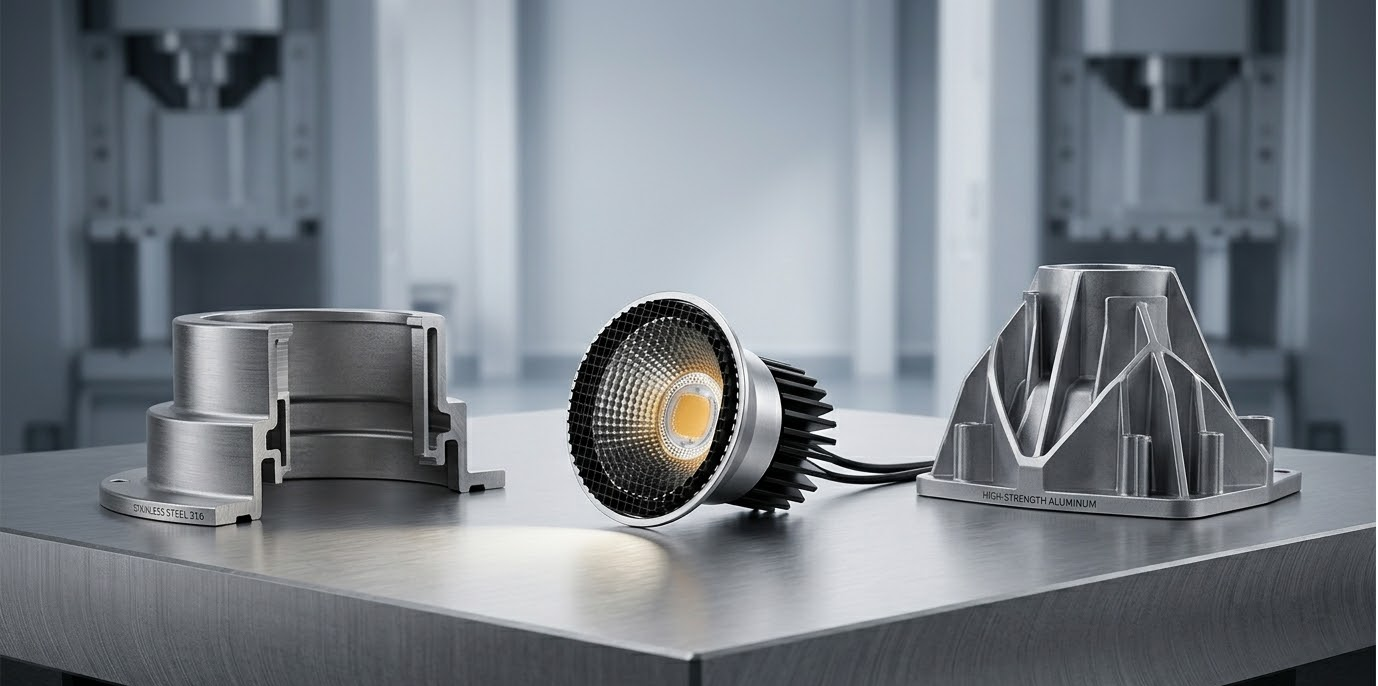
Recessed spotlights have the amazing ability to completely transform any room, turning it from boring to absolutely stunning. These lights not only illuminate a space but also seamlessly blend into the ceiling, creating a sleek and modern atmosphere. Their focused light beams can emphasize artwork or set a cozy mood. Available in various styles and energy-efficient options, recessed spotlights cater to different tastes and requirements. Whether you aim to brighten up your living space or establish a welcoming vibe in your workplace, these fixtures provide both practicality and sophistication. Bid farewell to bulky lamps and welcome a chic and refined lighting solution.
Key Takeaways
- Recessed spotlights provide a sleek, energy-efficient lighting solution for residential and commercial spaces.
- Their low-profile design integrates seamlessly into ceilings, enhancing the room’s aesthetic without intrusive fixtures.
- Available options include adjustable color temperature, lumen output, and beam angles for customized lighting needs.
- Ideal for various settings, such as kitchens, bathrooms, and outdoor areas, they offer versatile tasks and ambient lighting.
- Trimless and wireless models add modern convenience and minimal maintenance requirements.
- Energy-efficient LED options reduce energy costs while delivering effective illumination, making recessed lighting both practical and visually appealing.
Introduction to Recessed Spotlights
A recessed spotlight, also known as recessed lighting, is a fixture that is flush with the ceiling and provides a sleek, inconspicuous light source. This energy-efficient lighting choice has various advantages, including reduced glare and a clean, modern appearance. Recessed lighting is extremely adaptable, serving as both task and ambient lighting, making it useful in a variety of situations, including kitchens, living rooms, and workplaces. Furthermore, its design helps to cut energy usage while delivering adequate illumination throughout the room.

Benefits of Recessed Spotlights
Recessed spotlights are becoming an increasingly popular choice for contemporary lighting systems due to the numerous benefits that they offer for illumination.

(Caption: recessed spotlights lighting a room with warm light on the left and cool light on the right)
Energy Efficiency and Cost Savings
- Recessed spotlights, particularly those with LED can lights, provide energy-efficient illumination, using far less electricity than standard bulbs.
- LED technology is far more durable, requiring fewer replacements and lower maintenance expenses.
- The best-recessed lighting installations may help reduce energy bills while maintaining adequate light output, making them both environmentally friendly and cost-effective.
Aesthetic Appeal
- Low-profile recessed lights integrate easily into ceilings, giving a clean, modern appearance without heavy fixtures.
- Trimless recessed lights, for example, offer a minimalist finish with no apparent trim, which enhances the space’s architectural style.
- Both round and square recessed lights provide diverse solutions for various interior design styles.
Versatility in Design
- Ceiling recessed lights may be utilized in a variety of settings, including kitchens, bathrooms, corridors, and workplaces, to provide focused or ambient illumination.
- Dimmable recessed lights enable brightness control, making them suitable for a variety of activities.
- These fixtures, which come in a variety of designs, including square recessed lights, provide versatility in both design and functioning, making them suitable for a wide range of lighting requirements.
Applications of Recessed Spotlights
Because they are both fashionable and practical, they are frequently utilized in a variety of contexts. Residential, commercial, and outdoor use are the most common applications for these products.
Residential Use
One frequent application is kitchen recessed lighting, which provides concentrated illumination for counters and cooking areas without the clutter of standard lighting. Recessed lighting may also be put in restrooms, corridors, and living rooms to create ambient or accent lighting. Recessed lighting installation is perfect for places with low ceilings since it does not take up vertical space and provides a streamlined appearance. Wireless recessed lights are also gaining popularity in residential settings because they provide versatility and easy management via smart home systems.
Commercial Use
Recessed spotlights are popular in commercial settings because they provide adequate illumination without taking away from the interior design. Recessed lighting installation is beneficial in office spaces, retail establishments, and restaurants, where consistent light distribution is critical for productivity and customer satisfaction. These lights may be utilized to emphasize exhibits, products, or artwork, which improves the mood of commercial environments. Brass recessed lighting may be employed in high-end commercial settings to provide elegance while keeping the recessed fixtures’ clean lines. Furthermore, dimmable choices can be used to create varied lighting environments, especially in retail or hospitality settings.
Outdoor Use
Outdoor recessed lighting illuminates patios, pathways, and outside architectural elements. These lights are weather-resistant and robust, with alternatives such as brass recessed lighting providing both style and strength. Outdoor recessed lighting provides gentle illumination that improves both safety and attractiveness, whether positioned beneath eaves or along walks. Wireless recessed lights are also suitable for outdoor usage since they provide convenient control without the need for substantial wiring. These fixtures are perfect for creating a welcoming environment around the house or company exterior, as well as boosting security with strategically positioned illumination.
Installation and Maintenance of Recessed Spotlights
Installing and maintaining can be a challenge if you don’t have any experience in this field, so here are some practical tips on how to do those two things.
Installation Tips
Ceiling Height Considerations
- For lower ceilings, utilize 2-inch recessed lights to offer focused illumination without overpowering the room.
- For higher ceilings, utilize bigger fixtures, such as 6-inch spotlights, to provide more light coverage.
- Proper spacing is essential: avoid placing lights too far apart (resulting in dark patches) or too close together (producing excessive brightness).
Choosing the Right Size
- 2-inch recessed lights are suitable for task lighting in locations such as reading nooks and kitchen worktops.
- Larger 6-inch spotlights are ideal for general illumination in larger rooms, such as living rooms or open areas.
Directional Lighting with Gimbal Recessed Lights
- Gimbal recessed lighting provides adjustable, directed lighting, making it excellent for emphasizing artwork or architectural details.
- Plan the angle carefully to prevent glare and focus the light on the main points.
Maintenance and Care
LED Longevity:
- Philips Hue can lights and wireless recessed lights using LED technology have a long lifespan of 25,000 to 50,000 hours.
- To enhance LED lifetime, provide adequate ventilation to minimize excess heat and dust the fixtures regularly to keep them clean and efficient.
Gimbal and Trimless Recessed Lights Maintenance:
- Gimbal recessed lighting may require occasional adjusting or cleaning to maintain directional operation. Handle carefully to avoid misalignment.
- Trimless recessed lights are simple to clean since there is no apparent trim, but professional assistance is sometimes required for replacements or repairs owing to their seamless incorporation into the ceiling.
Wireless Recessed Lights Care:
- Regularly inspect the battery and wireless components of wireless recessed lights to maintain consistent functioning.
- To ensure optimal functioning, keep the smart home system updated with the appropriate software upgrades.
Choosing the Right Light Specifications for Your Space
When choosing recessed spotlights, knowing the color temperature and lumen output is critical for generating the desired atmosphere and functionality in various settings. Both of these parameters influence the mood, brightness, and efficacy of your lighting.
Color Temperature
Color temperature is measured in Kelvins (K) and influences whether the light seems warm, neutral, or cold.
| Name | Description | Range | Ideal For |
| Warm white | Produces a soft glow that creates a relaxing and pleasant atmosphere. | 2700K to 3000K | Living rooms, bedrooms, dining places (intimate areas). |
| Neutral white | Offers a balance between warmth and coolness, providing neutral and comforting light. | 3500K to 4100K | Kitchens, bathrooms, offices (spaces requiring clarity). |
| Cool White/Daylight | Replicates sunlight, providing bright, clean illumination to enhance attention and focus. | 5000K to 6500K | Garages, workshops, outdoor areas (task-oriented spaces). |

(Caption: different light source color temperatures)
Lumen Output
Lumen output measures a light’s entire brightness. The lumen rating indicates the brightness of the light. Below are some general guidelines suitable for different size rooms:
| Name | Description | Range | Ideal For |
| Task Lighting | Provides concentrated light without overpowering the environment, suitable for smaller areas. | 400 to 800 lumens | Reading nooks, under-cabinet kitchen lighting, accent lighting. |
| General Illumination | Offers adequate brightness for medium-sized spaces, evenly illuminating larger surfaces. | 800 to 1500 lumens | Kitchens, bathrooms, living rooms (medium-sized spaces). |
| High-Intensity Lighting | Provides adequate light distribution and visibility for large areas or high ceilings. | 1500+ lumens | High-ceiling rooms, outdoor areas, open-plan or commercial spaces. |
Recommended Wattage and Beam Angle
Wattage and beam angle are other important considerations for maintaining adequate coverage and efficiency. For example:
- Wattage: LED recessed lights usually use fewer watts than incandescent or halogen bulbs. A 6- to 10-watt LED may replace a standard 60-watt incandescent light, making it both energy-efficient and powerful.
- Beam Angle: Narrow beam angles (15° to 30°) are ideal for accent lighting or highlighting artwork, whilst larger angles (60° to 120°) are better suited for general lighting that covers vast areas evenly.
- Ceiling Height Considerations: For low ceilings (8-9 feet), utilize larger beam angles (60° to 120°) to diffuse light more evenly around the space, avoiding shadows and guaranteeing complete coverage. A narrower beam angle (15° to 40°) is more effective for high ceilings (10 feet or more) since it concentrates light downwards and guarantees it reaches the desired region without losing intensity as it rises in height. In larger spaces, adopting narrow beam angles keeps light from spreading too thin and provides appropriate brightness where it is required.
You may create a perfectly illuminated atmosphere for every circumstance by customizing the color temperature, lumen output, wattage, and beam angle to your exact specifications, whether it’s a relaxed living room or a professional workstation.
Conclusion
Recessed spotlights combine usefulness, energy economy, and modern design, making them an essential component of current lighting systems. Their adaptability allows them to be used in a variety of situations, including residential, business, and outdoor environments. These fixtures provide a variety of styles and positioning possibilities, including gimbal recessed lighting, timeless designs, and wireless recessed lights. The best-recessed lighting systems not only improve a room’s visual appeal but also help save energy, making recessed lighting a practical and beautiful choice for any area.
FAQs
What is a recessed spotlight?
A recessed spotlight is a lighting fixture that is flush with the ceiling, creating a sleek and inconspicuous illumination source.
What is the difference between recessed lights and downlights?
Recessed lights are positioned in the ceiling for a minimalist appearance, whereas downlights often beam light downward but are not recessed, occasionally projecting from the ceiling.
What is the difference between spotlights and downlights?
Spotlights direct light to a specific area, making them perfect for accent lighting, whereas downlights provide broader, general illumination across a larger area.
What are the disadvantages of recessed lighting?
Recessed lighting may be expensive to install and difficult to change. It may also compromise insulation effectiveness, lowering energy efficiency.